Skip to content
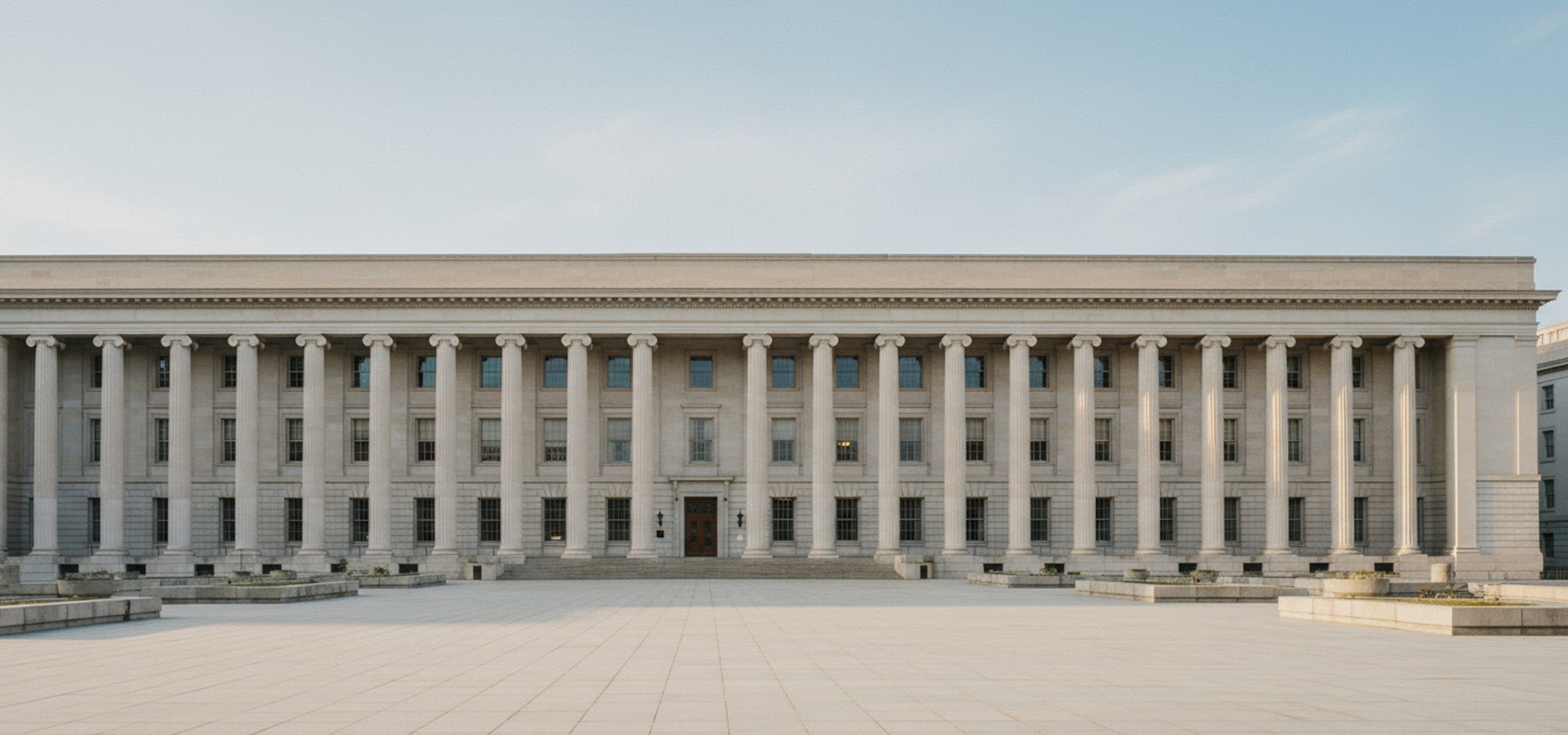
Government administrative building with wide colonnade, Dhaka, morning light

Government-Backed & PPP Projects

Structuring and shepherding public-private partnership projects through Bangladesh’s PPP Authority framework — from unsolicited proposal through feasibility, procurement and financial close.

Public-private partnership origination and delivery.

Bangladesh legislated a dedicated public-private partnership framework in 2015 and established a PPP Authority to screen, approve and support projects across government. The framework contemplates both government-solicited projects drawn from line ministry pipelines and unsolicited proposals brought forward by private sponsors — an origination route many comparable jurisdictions do not offer.

The Act sits above a set of supporting instruments: viability gap financing administered by the Finance Division, guidelines governing unsolicited proposals, and project development support that funds transaction advisory before procurement begins. Bangladesh Infrastructure Finance Fund Limited exists to supply long-tenor local currency debt where the commercial banking system will not.

In practice the binding constraint is not the framework. It is the run from in-principle approval to a bankable contract: a risk allocation the contracting authority can sign, an offtake or availability payment the Finance Division will stand behind, and a currency, change-in-law and termination package that a lender will accept without repricing the project out of existence.


Governing statutePPP Act, 2015
Lead bodyPublic Private Partnership Authority
Origination routesSolicited and unsolicited proposals
Government supportViability gap financing · development support
Long-tenor local debtBIFFL
Determining factorBankable risk allocation

Structural and institutional reference points. Figures are stated only where they are matters of public record.


What is available, what stands in the way, and what we do about it.

  • A codified statutory process with defined approval gates materially reduces discretionary risk once a project sits inside the framework.
  • The unsolicited proposal route allows a sponsor with genuine technology or delivery capability to originate rather than wait for a tender it may not be shaped to win.
  • Viability gap financing and project development support exist as designed instruments, so socially necessary but sub-commercial projects are not automatically unfinanceable.
  • Line ministry pipelines across transport, health, tourism, logistics and urban services are broad. The scarce resource is preparation capacity, not project ideas.
  • Development finance institutions and export credit agencies are active in the market and generally willing where the risk allocation is conventional.
  • Preparation quality varies. Projects reaching market without completed feasibility, a land position or a defensible demand study consume sponsor capital and rarely reach close.
  • Risk allocation is negotiated rather than templated. Termination payments, currency convertibility, change in law and force majeure are where transactions actually stall.
  • Approval passes through the line ministry, the authority and the relevant cabinet committee, each of which can reopen matters the previous body considered settled.
  • Land acquisition and resettlement follow a statutory process with a timetable of its own, and it is seldom compressible by commercial pressure.
  • Contracting authorities are not uniformly experienced in partnership structures. Counterparty capability is as material a question as counterparty credit.
  • Assessing whether a proposition belongs inside the partnership framework at all, or whether a concession, a licence or a straight commercial contract is the better instrument.
  • Preparing unsolicited proposals to the standard the framework expects, including the value-for-money and public interest case the authority must be able to defend publicly.
  • Holding the counterparty map — line ministry, authority, finance side, lenders — so that positions agreed in one room survive contact with the next.
  • Working the risk allocation toward something lenders will fund, rather than something that merely closes the negotiation.
  • Supporting the sponsor through procurement, negotiation and financial close, and staying in place through the first operating years.

The bodies whose mandates a project in this sector will touch. Understanding what each one is responsible for — and what it is not — is the first piece of work on any engagement.
Public Private Partnership Authority
The office established under the PPP Act, 2015 to screen, approve and provide transaction support for partnership projects across government.
Finance Division, Ministry of Finance
Responsible for viability gap financing, government support instruments and the fiscal treatment of contingent liabilities arising from partnership contracts.
Line ministries and implementing agencies
The contracting authorities that own the underlying asset, the land and the public service obligation being contracted.
Bangladesh Infrastructure Finance Fund Limited
A government-sponsored financial institution providing long-tenor infrastructure debt where commercial bank tenor is insufficient.
Economic Relations Division
The government’s interface with development partners, bilateral lenders and multilateral finance institutions.
Bangladesh Bank
Administers foreign exchange approvals relevant to project accounts, offshore borrowing and the remittance of returns.

These institutions are named because they are the relevant public bodies in this sector. Fratres claims no relationship with, endorsement by, or mandate from any of them.

Government administrative building with wide colonnade, Dhaka, morning light

A framework does not make a project financeable.

Bangladesh has a partnership statute, an authority, a viability gap instrument and a development finance vehicle. On paper the apparatus is complete. Projects still stall, and they stall in the same place: the moment a lender reads the termination and convertibility clauses.

Our work sits at that junction. We negotiate toward the package a lender will fund rather than the package that ends the meeting, and we prepare the contracting authority for what that package will cost it. The alternative is a signed agreement that never reaches financial close.

Our approach

Government-Backed & PPP Projects: begin a conversation.

The most useful first conversation is a specific one — the asset, the counterparty, or the approval that has stalled. Enquiries are reviewed by the partnership and answered directly.

Make an enquiry