Skip to content
FRATRES
Group of figures on an elevated site walkway reviewing drawings against open ground

The people responsible for the work.

Fratres brings senior commercial, operational, investment and communications experience to every mandate, supported by the disciplines required for delivery.

The Fratres leadership team.

The leadership team combines commercial, operational, investment and strategic communications experience across the firm’s work.
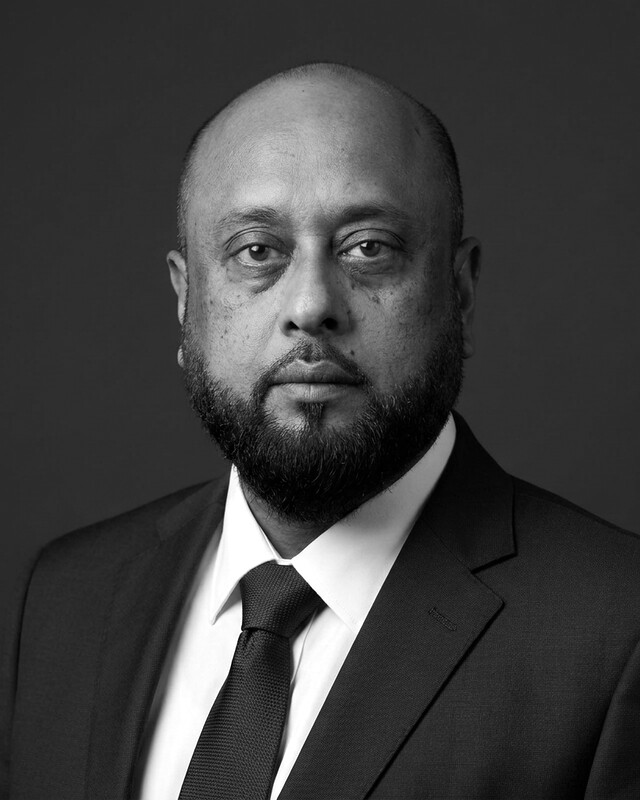
Mahboobur Rahman, Chairman and Chief Executive Officer

Mahboobur Rahman

Mahboobur Rahman is Chairman and Chief Executive Officer of Fratres Limited, and Managing Director and CEO of Hotel Purbani International Limited. Born in Dhaka in 1953, he began his business career in 1980 within the family enterprise and has since built a diversified portfolio spanning hospitality, real estate, pharmaceuticals and food. His ventures include Bangladesh Hotels Limited, a company listed on the Dhaka Stock Exchange, alongside Hotel Purbani International Limited, Phamadesh Laboratories Limited, Momin Motors Limited and AHM Syndicate Limited. His experience as a director of a publicly listed Bangladeshi company, together with more than four decades leading operationally complex, multi-sector businesses, underpins his leadership of Fratres and its engagement with government and institutional counterparties.
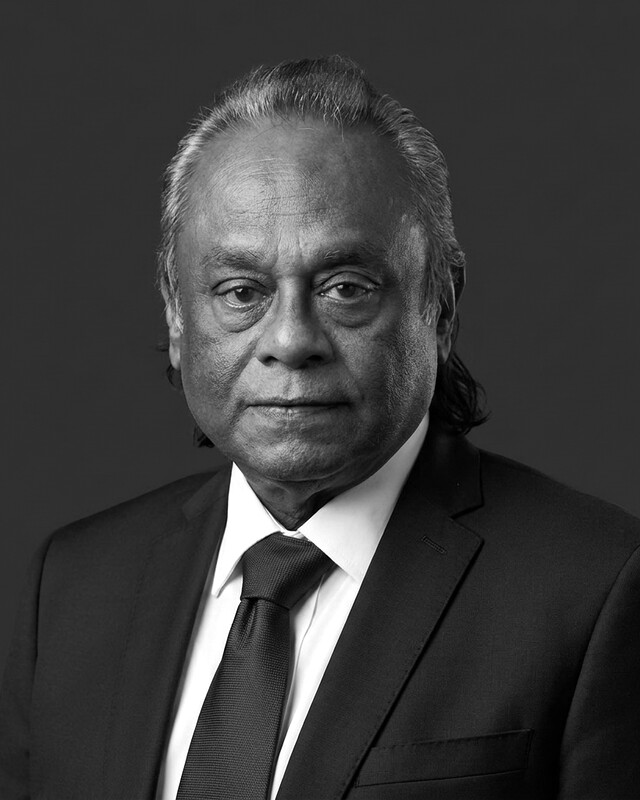
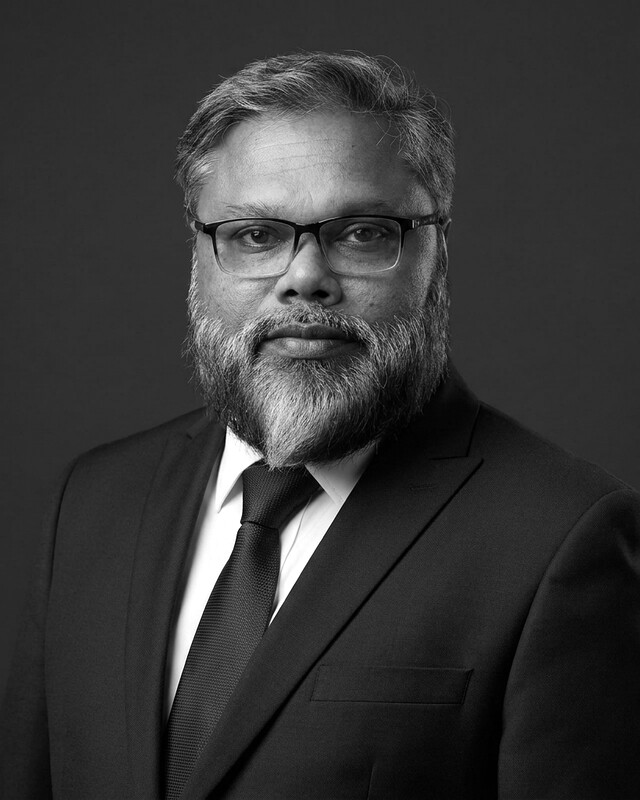
Ashraful Basher Mohammed Saiful Alam, Deputy Chairman & Managing Director

Ashraful Basher Mohammed Saiful Alam

Ashraful Basher Mohammed Saiful Alam is Deputy Chairman & Managing Director of Fratres Limited. He is an experienced entrepreneur with an extensive background in hospitality and wholesale trading in the United Kingdom, where he has built and led businesses across the restaurant and commercial supply sectors for several decades. He is the owner of Safron Restaurant in Gosfield, Essex and of Thai Kitchen in Keston, Bromley, a Director of Neptune Limited, a wholesale trading business based in Covent Garden, London, and a Partner in Moti Mahal, a restaurant business in Westcliff-on-Sea. He holds a Bachelor of Arts from Moscow Patrice Lumumba University, and brings this cross-border commercial grounding, together with experience in supplier and customer relationship management, to Fratres’ trading and market access activities.

S. M. Nazmul Haque, Operations Director

S. M. Nazmul Haque

S. M. Nazmul Haque is Operations Director of Fratres Limited. He is an experienced marketing and business development professional with more than two decades of experience in strategic marketing, brand development and corporate advisory services in the United Kingdom. Since 2016 he has served as an Advisor to ION TV, and previously held senior marketing positions including Director of Marketing at Cheetha Foods UK Limited and at Bengal Pride Limited, having begun his career with eight years at Bengal Pride as a Marketing Executive. He holds an MBA specialising in Marketing from South Eastern University, London Campus, and a Bachelor of Science degree. His grounding in strategic communications, business development and stakeholder engagement supports operational coordination across Fratres’ investor relations and institutional communications.

Mostak Ahmed, Finance Director

Mostak Ahmed

Mostak Ahmed is Finance Director of Fratres Limited. He is an experienced entrepreneur and business professional with a background in hospitality management and wholesale trading. He is Managing Partner of Cafe Italia, a restaurant business in London, where his responsibilities include strategic planning, operational management and supplier relationships, and Owner of Siam Milan Bangla, a wholesale trading business based in Milan, Italy. His work across two jurisdictions has given him practical experience in commercial operations, budgeting and day to day financial management, and cross-border business, which he applies to financial planning and operational discipline across Fratres’ activities. He completed his higher studies at Savar Government College, Bangladesh.

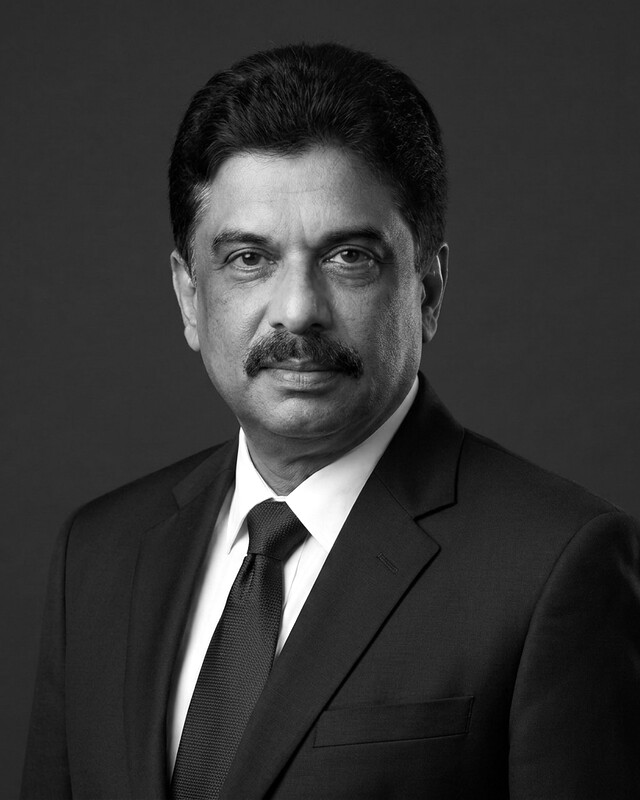
Ashfaquzzaman Khan, Investment Director

Ashfaquzzaman Khan

Ashfaquzzaman Khan is Investment Director of Fratres Limited. Born in Dhaka in 1951 into a respected business family, he began his career in 1980 and has since built a diversified portfolio across garments, export and import trading, and commercial services. His ventures include Tiffany’s Wear Limited, Argyle Sweaters Limited, Managham Agencies Limited and an established trading house. Over more than four decades, he has developed extensive experience in cross-border trade, supply chain management, and building and sustaining commercial relationships across international markets. This experience in structuring long-term trading relationships across multiple jurisdictions informs his role in identifying and assessing investment opportunities for Fratres.

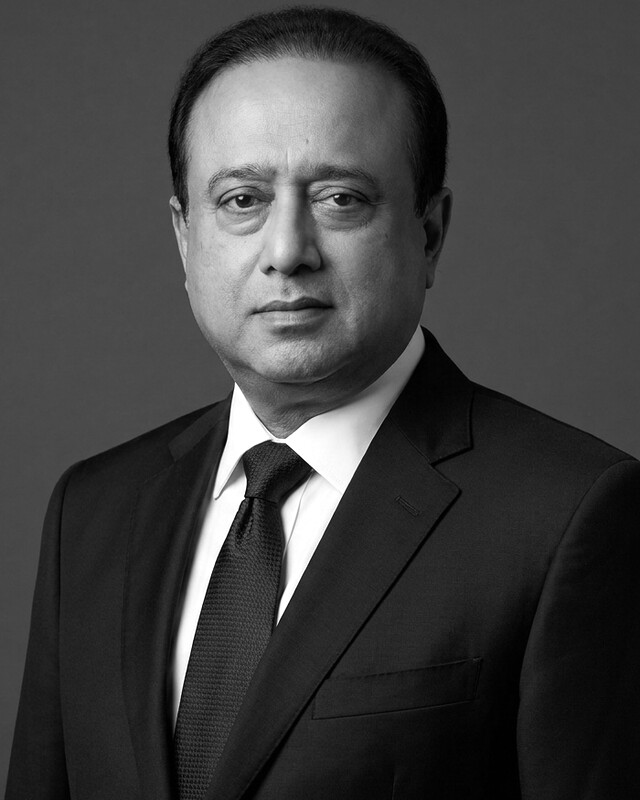
Khan Harisul Kabir, Executive Director

Khan Harisul Kabir

Khan Harisul Kabir is Executive Director of Fratres Limited. He is a strategic business leader and aviation professional with more than thirty-six years of experience across civil aviation, travel management, corporate services and international business development in the United Kingdom and Bangladesh. He is Founder and Chief Executive Officer of Aaron Aviation Service Limited, and holds directorships across property, franchising and recruitment businesses, alongside international trade interests in emerging technology. His particular focus on Smart Cities, intelligent transport systems and Traffic AI aligns directly with two of Fratres’ core sectors. A Commerce graduate with an Executive MBA and a qualification in Travel and Tourism Marketing, he brings direct operational experience in aviation and emerging technology to the firm’s strategic development and cross-border partnership work.


Mandates are staffed against disciplines, not handed to a generalist.

The work Fratres does is not one profession. A single mandate can require a developer who has taken infrastructure from concept to close, a financier who can structure around a limited-recourse lender, somebody who has sat on the public side of a regulatory decision, an engineer able to test a feasibility assumption, a lawyer who reads Bangladeshi and English documents with equal care, and a delivery team physically present at the site.

No individual holds all six. The firm is organised so that each is available to every engagement, and so that a client is never told a question is out of scope when it is in fact outside one person’s training.

Engagements are led by a partner who remains accountable from first enquiry to handover. Specialists are drawn in as the mandate requires and are accountable to that partner rather than working in parallel to them. The composition of the team, and the identity of every person who will work on the file, is disclosed to the client before work begins.


Six disciplines, and what each contributes.

These are the capabilities a project in this market consumes. They are listed by contribution rather than by seniority, because a mandate rarely needs them in the order an organisation chart would suggest.

Infrastructure project development

Turning a proposal into something that can be financed.

The discipline that knows what a project has to become before anyone will fund it: site identification and land assembly, demand assessment, technical option selection, procurement route, and the order in which those have to be settled. Most projects that stall in Bangladesh stall because they were taken to market as an idea rather than developed into a project. This is the discipline that prevents that, and the one that most often recommends waiting.

A development plan with dependencies, owners and dates attached.

Structured and project finance

Making the numbers survive a credit committee.

Capital structure, limited-recourse debt, development and concessional finance, currency and offtake risk allocation, and the covenant package that determines what a sponsor can still do after close. Applied early, this discipline is also the fastest way to establish what is not financeable — a conclusion that is far cheaper in month two than in month twenty.

A funding structure, a defensible base case, and the conditions precedent that will actually bind.

Public policy and regulatory affairs

Reading a decision from the side that has to make it.

The approvals architecture across BIDA, BEZA, the PPP Authority, Bangladesh Bank and the relevant sector regulators; the statutory basis for each consent; the internal route a submission travels before anyone signs it; and the public objective a project must serve to be defensible once it is built. Experience on the public side of a decision is what separates institutional engagement from speculation about it.

An approvals map: every consent, its owner, its statutory basis and a realistic sequence.

Sector engineering advisory

Testing the assumption the whole case rests on.

Independent technical review across power, ports, aviation, transport, resources and urban systems — capacity and throughput assumptions, capital cost estimates, interface and integration risk, construction programme, and whole-life operating cost. The function is adversarial by design: to find the untested assumption before a lender’s independent engineer finds it, when it is still an internal matter.

A technical position the client can defend in diligence, and a list of what still has to be surveyed.

Legal and compliance

Documents that hold, and controls that are applied.

Contract architecture and governing law, joint venture and shareholder arrangements, repatriation and tax treatment, dispute resolution, and the firm’s own financial crime controls — counterparty due diligence, beneficial ownership verification, sanctions screening, conflicts and anti-bribery. This discipline holds a veto inside the firm: it can stop a mandate the commercial side wants, and it has been used for that purpose.

A verified counterparty file, a recorded conflicts position, and a documentation structure agreed before drafting begins.

On-the-ground delivery

Being present where the project actually is.

Sustained local presence through the long middle of an engagement: site visits, attendance at meetings that were arranged the day before, following a file through an institution in person, and engagement with landowners and affected communities in their own language. None of this can be done from another time zone, and a large share of what is later attributed to bureaucracy is more accurately a failure of presence.

Continuous first-hand reporting in place of second-hand assurance.


Accountability sits with a person, not a department.

A client should always know who is responsible for the whole of their engagement and who is doing the work in front of them. Those two questions have a single answer each, given at the outset and not revised for our convenience.

Where the firm does not hold a capability to the standard a mandate requires, we appoint or recommend an external specialist and say plainly that we have done so. We do not present borrowed capability as our own, and we do not staff a mandate we cannot staff properly in order to keep it.

AccountabilityOne lead partner, enquiry to handover
Team compositionDisclosed in writing before work begins
SpecialistsDrawn in by discipline, not availability
Client contactDirect with the responsible partner
External appointmentsNamed and disclosed as external
HandoverDocumented, to a named client team

Begin a conversation

Enquiries are reviewed by the leadership team and answered directly.

Make an enquiry