Skip to content
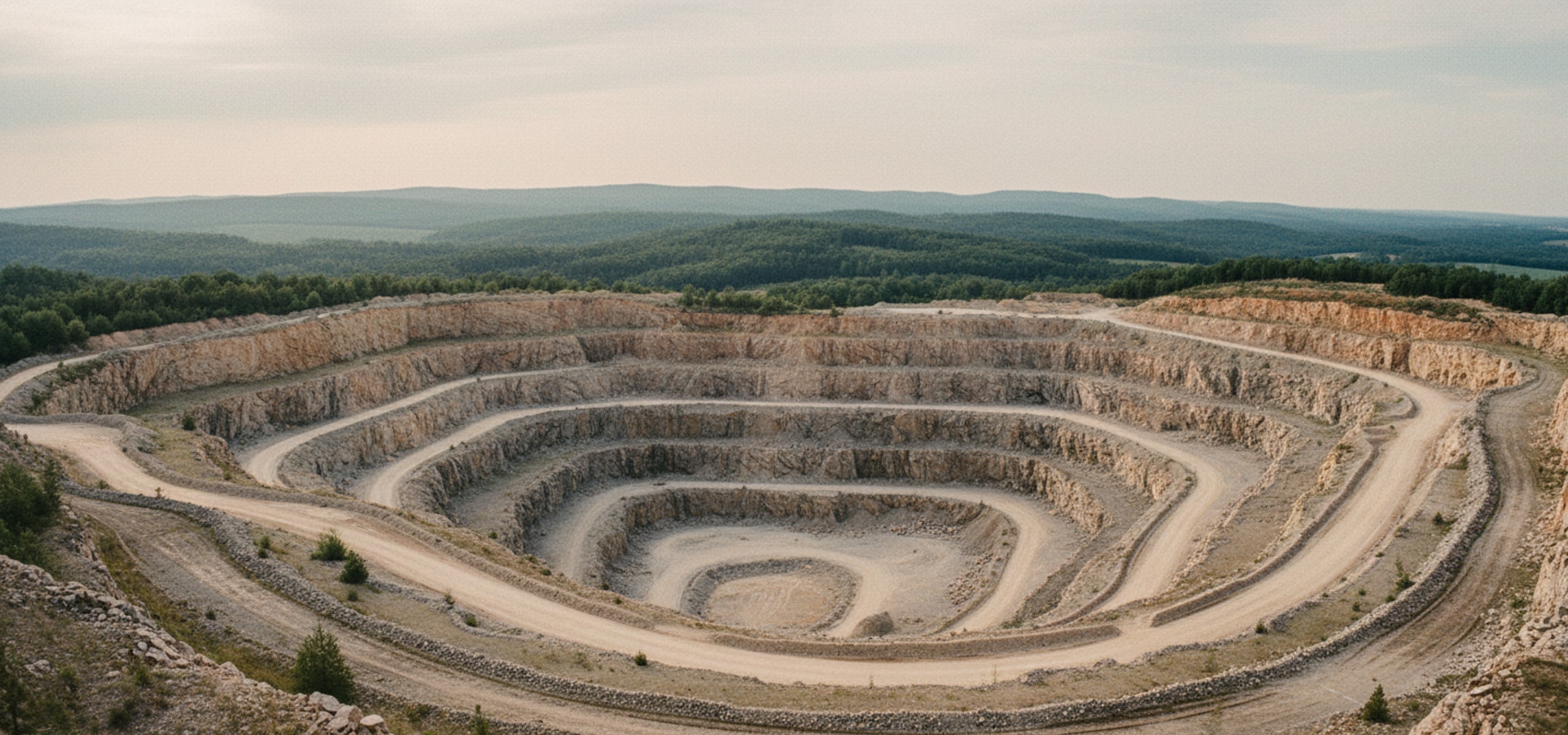
Open terraced quarry cut into hillside under overcast sky

Mining & Natural Resources

Advisory across Bangladesh’s coal, limestone, hard rock, silica sand and gas condensate assets — licensing pathways, joint-venture structuring, and community and environmental engagement.

Extraction, licensing and resource development.

Bangladesh is not thought of as a mining jurisdiction, and its hydrocarbon story dominates the conversation. The delta nonetheless sits above a sedimentary basin containing commercially relevant non-metallic deposits, and the country imports large volumes of precisely the materials it holds: coal, limestone for cement clinker, hard rock aggregate, silica sand and construction sand.

The defined deposits are concentrated in the northwest — the coal basins of the Dinajpur, Rangpur and Joypurhat districts, and the Maddhapara hard rock body — with limestone in the northeast around Sunamganj and silica sand in Sylhet and the eastern hill districts. Two state-operated mines are in production. The remainder of the resource is defined to varying degrees and largely undeveloped.

Development is constrained less by geology than by three things. First, hydrogeology: the delta’s shallow aquifer and dense settlement make open-cut extraction socially and technically fraught, and underground methods carry a materially higher cost. Second, a licensing regime that is codified but lightly exercised. Third, an unresolved national position on domestic coal extraction that has persisted for years and should be assumed to remain contested.


Licensing authorityBureau of Mineral Development
Principal defined resourcesCoal · hard rock · limestone · silica sand
Resource geographyNorthwest districts · Sunamganj · Sylhet
Producing state minesUnderground coal · hard rock
Defining constraintShallow aquifer hydrogeology
Environmental categoryFull impact assessment required

Structural and institutional reference points. Figures are stated only where they are matters of public record.


What is available, what stands in the way, and what we do about it.

  • Bangladesh imports the bulk of its cement clinker feedstock, construction aggregate and industrial sand. Domestic substitution has an obvious commercial logic wherever extraction is permittable.
  • The hard rock and limestone resources of the northwest and northeast are defined and lie close to existing rail and road links.
  • Silica sand quality in parts of Sylhet and the eastern hill districts is suitable for glass and foundry use, supporting downstream processing rather than raw export.
  • Mineral processing, beneficiation and specialist logistics offer participation in the value chain without carrying full extraction and permitting risk.
  • The licensing sequence — prospecting licence, exploration licence, mining lease — is legible and set out in the mineral resources legislation and rules.
  • Hydrogeology is the central technical constraint. Shallow aquifers, high population density and intensive agricultural land use make dewatering and subsidence the defining engineering and social questions.
  • Domestic coal policy has been unsettled for a long period. Sponsors should structure on the assumption that the political economy of coal extraction remains contested.
  • Land acquisition and resettlement in densely settled districts is slow, expensive and reputationally exposed in a way that few comparable jurisdictions match.
  • Extractive projects fall in the most heavily scrutinised environmental clearance category, with a corresponding evidentiary and consultation burden.
  • Historical resource estimates vary in vintage and method. Independent, code-compliant resource definition is normally required before any serious financing conversation.
  • Establishing which deposits, at which scale and by which method, are realistically permittable before exploration capital is committed.
  • Mapping the licensing sequence through the mineral authority and the environmental regulator, and the ministerial approvals that sit above both.
  • Structuring joint ventures with state entities and local sponsors, including the operating, offtake and processing arrangements that determine whether the economics survive.
  • Designing community, land and water engagement as a funded project workstream from the outset, rather than as mitigation after objection.
  • Assessing the downstream option — processing, beneficiation, logistics — where extraction itself is not the right risk for the client to carry.

The bodies whose mandates a project in this sector will touch. Understanding what each one is responsible for — and what it is not — is the first piece of work on any engagement.
Bureau of Mineral Development
The licensing authority for prospecting licences, exploration licences and mining leases under the mineral resources legislation.
Geological Survey of Bangladesh
The national geoscience institution responsible for geological mapping, exploration data and resource assessment.
Energy and Mineral Resources Division
The ministry division carrying policy responsibility for mineral resources and hydrocarbons.
Petrobangla
The state corporation whose operating subsidiaries run the country’s producing coal and hard rock mines.
Department of Environment
Issues environmental clearance. Extractive projects sit in the category requiring full environmental impact assessment.
Ministry of Land and district administration
Administer acquisition, requisition and compensation where land must be assembled for a project.

These institutions are named because they are the relevant public bodies in this sector. Fratres claims no relationship with, endorsement by, or mandate from any of them.
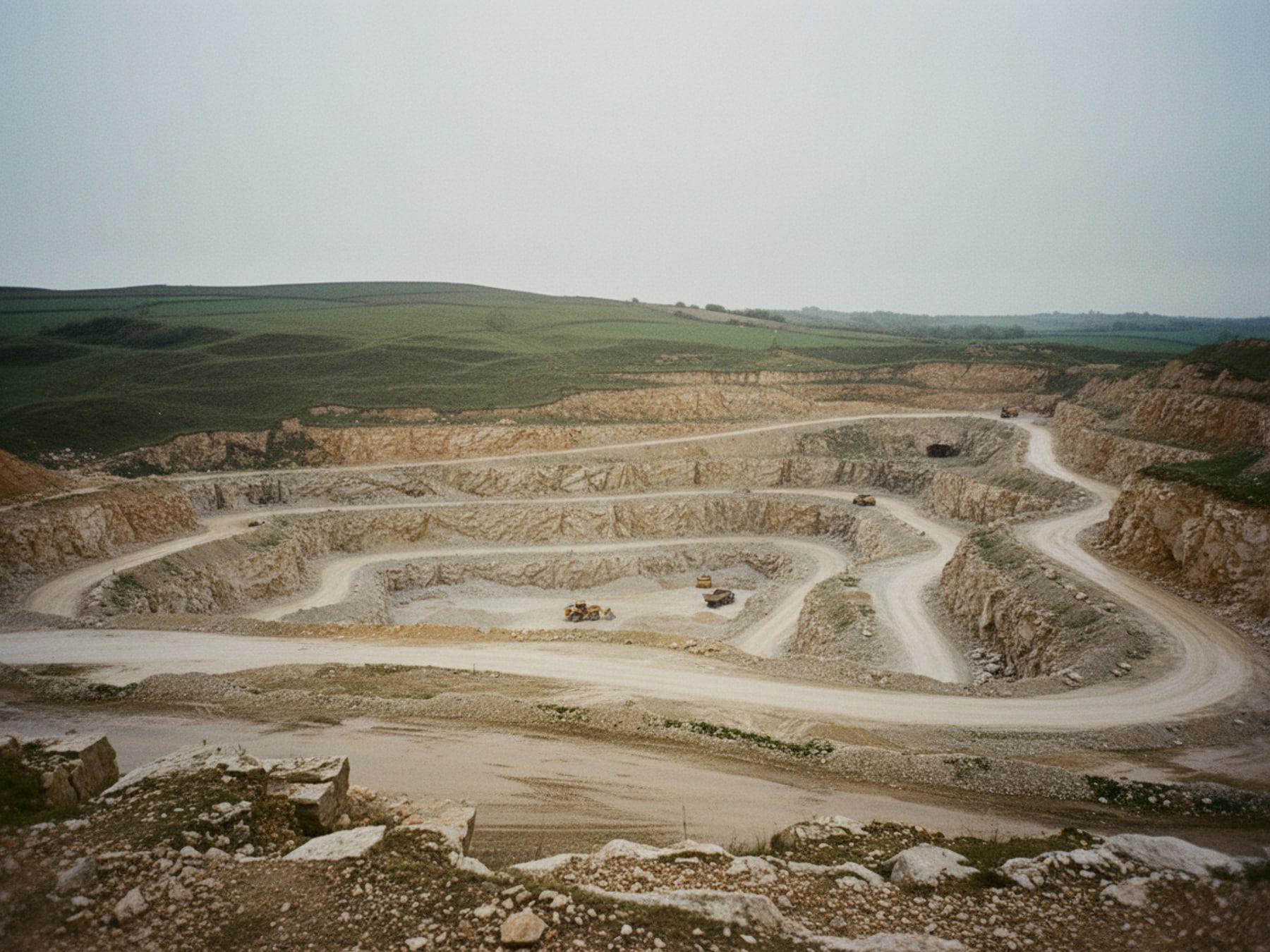
Open terraced quarry cut into hillside under overcast sky

The constraint is water, not geology.

The deposits are real and, in several cases, well located relative to rail and road. What governs whether they can be worked is what sits above and around them: a shallow aquifer that supports irrigated agriculture, and settlement density among the highest in the world.

Any credible development case in Bangladeshi minerals begins with dewatering, subsidence and resettlement, and only then turns to grade and tonnage. Sponsors who invert that order spend exploration budgets on assets that were never going to be permitted.

Our approach

Mining & Natural Resources: begin a conversation.

The most useful first conversation is a specific one — the asset, the counterparty, or the approval that has stalled. Enquiries are reviewed by the partnership and answered directly.

Make an enquiry